Understanding the Complex Interplay of Saudi Arabian Races, the Urdu Community in Kuwait, and Historical Conflicts
Category : |
Sub Category : Posted on 2024-09-07 22:25:23
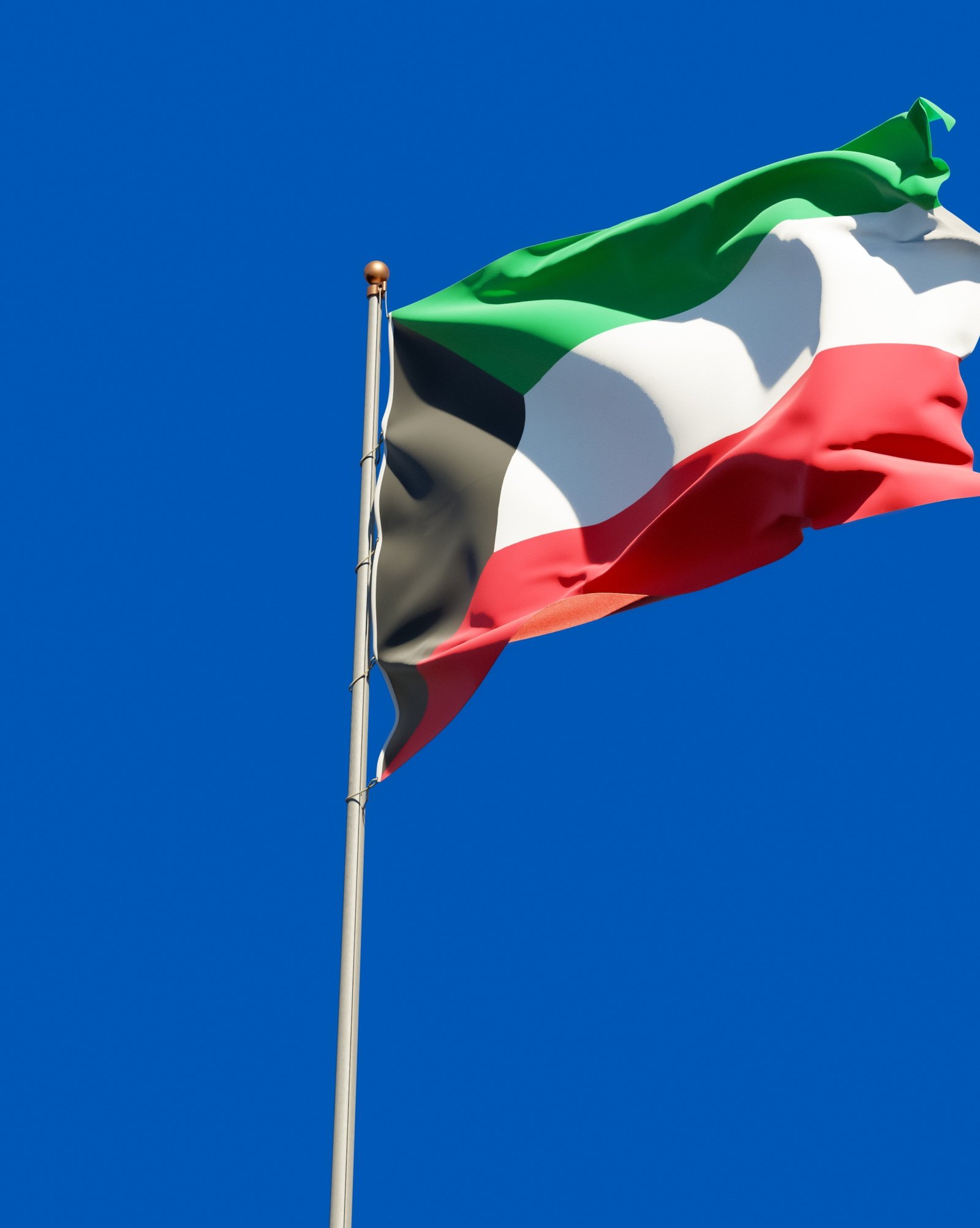
In the realm of the Middle East, the intertwining of different cultures, ethnicities, and historical conflicts has created a rich tapestry of diversity and complexity. One such intersection of dynamics can be seen in the interaction between Saudi Arabian races, the Urdu community in Kuwait, and historical conflicts that have shaped the region for centuries. Saudi Arabia, a country known for its diverse population consisting of various races and ethnicities, plays a significant role in the social fabric of the Middle East. The Saudi Arabian races showcase a blend of indigenous tribes, Arab descendants, and expatriate communities, each contributing to the country's cultural mosaic. This diversity often manifests in the form of traditional customs, languages, and distinct cultural practices that add vibrancy to the Saudi Arabian society. Meanwhile, Kuwait, a neighboring country to Saudi Arabia, hosts a sizable Urdu-speaking community that has found a home away from home in the Gulf region. The Urdu community in Kuwait, comprising expatriates from Pakistan and India, brings its own set of traditions, language, and heritage to the diverse landscape of the country. Despite being a minority group, the Urdu community has made significant contributions to Kuwaiti society, particularly in sectors such as labor, healthcare, and education. However, the historical context of the region has also been marked by conflicts that have shaped the interactions between different communities in Saudi Arabia and Kuwait. From territorial disputes to political tensions, historical conflicts have influenced the dynamics between various races and communities, sometimes leading to misunderstandings and challenges in coexistence. The impact of these conflicts can still be felt in the region today, underscoring the need for dialogue, understanding, and reconciliation among different groups. In conclusion, the interplay between Saudi Arabian races, the Urdu community in Kuwait, and historical conflicts reflects the intricate web of relationships in the Middle East. Embracing diversity, fostering cultural exchange, and acknowledging the shared history of the region can pave the way for mutual respect, harmony, and cooperation among all communities. By recognizing and celebrating the richness of each group's heritage, we can move towards a more inclusive and united society in the Middle East. To understand this better, read https://www.chatarabonline.com
https://egyptwn.com


