Understanding Economic Welfare Theory in the Urdu Community in Kuwait
Category : |
Sub Category : Posted on 2024-09-07 22:25:23
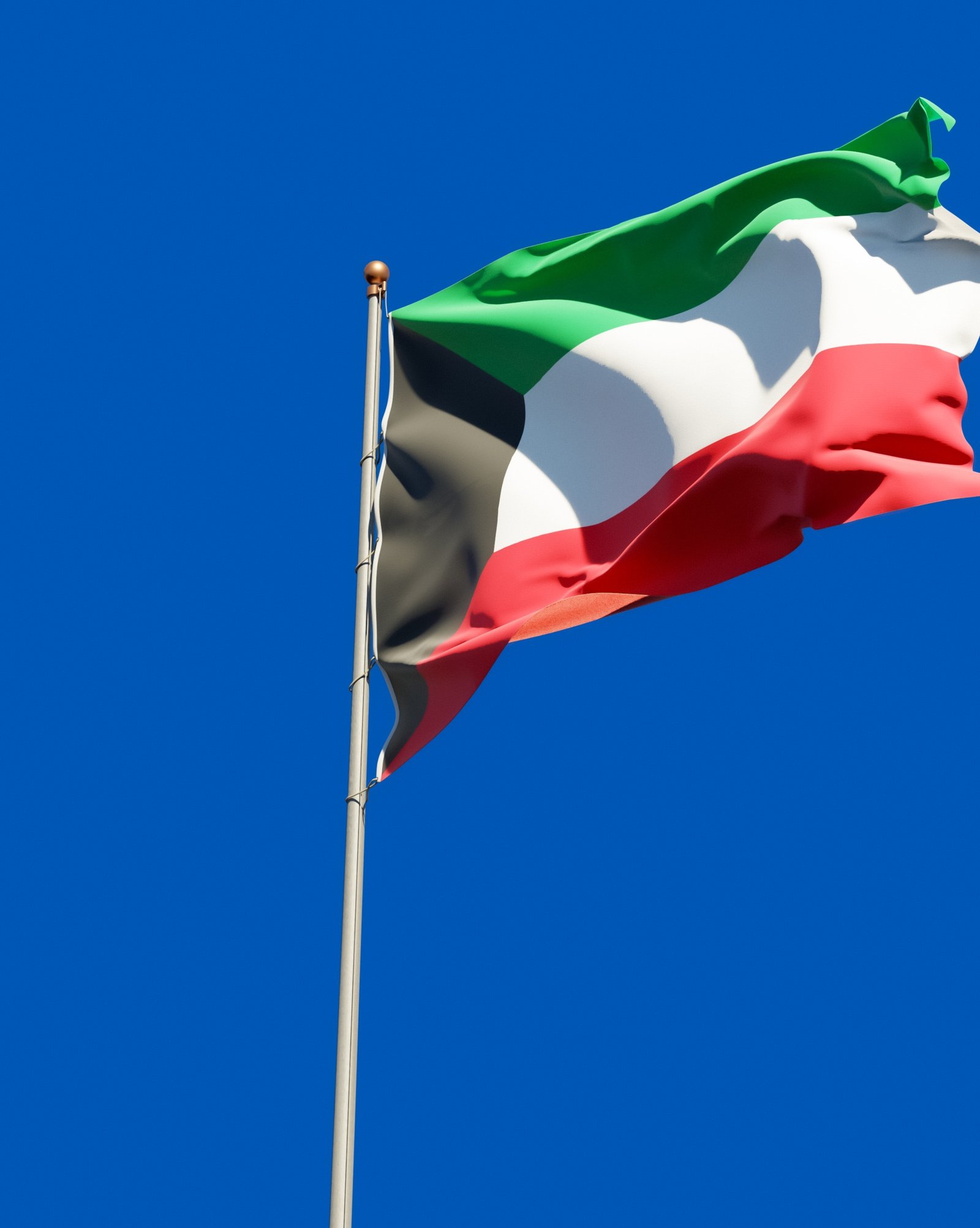
In the midst of the bustling city of Kuwait lies a vibrant Urdu community that plays a significant role in shaping the country's economic landscape. As members of this community strive for financial stability and success, they are often confronted with challenges such as scams that threaten their economic well-being. In this blog post, we will delve into the concept of economic welfare theory and examine how it applies to the Urdu community in Kuwait. Economic welfare theory is a branch of economics that focuses on the well-being of individuals and society as a whole in terms of their economic prosperity and quality of life. It takes into account factors such as income distribution, access to resources, and overall standards of living. In the context of the Urdu community in Kuwait, economic welfare theory provides valuable insights into the economic challenges and opportunities that members of this community face. Unfortunately, scams are a prevalent issue that can jeopardize the economic welfare of individuals within the Urdu community in Kuwait. Scammers often target vulnerable individuals by promising quick financial gains or investment opportunities that sound too good to be true. As a result, many community members fall victim to these schemes, ultimately leading to financial loss and hardship. To combat scams and protect the economic welfare of the Urdu community in Kuwait, education and awareness play a crucial role. By providing members of the community with information about common scam tactics and empowering them to make informed financial decisions, we can reduce the likelihood of falling prey to fraudulent schemes. Additionally, fostering a sense of community support and collaboration can strengthen the economic resilience of Urdu community members in Kuwait. By coming together to share resources, knowledge, and experiences, individuals can better navigate economic challenges and promote financial well-being for all. In conclusion, economic welfare theory offers a framework for understanding the economic dynamics within the Urdu community in Kuwait and provides insights into the impacts of scams on economic well-being. By raising awareness, promoting education, and fostering community solidarity, we can work towards enhancing the economic welfare of Urdu community members and creating a more resilient and prosperous community in Kuwait.


