The Schengen Zone: Government-Funded Programs for the Urdu Community in Kuwait
Category : |
Sub Category : Posted on 2024-09-07 22:25:23
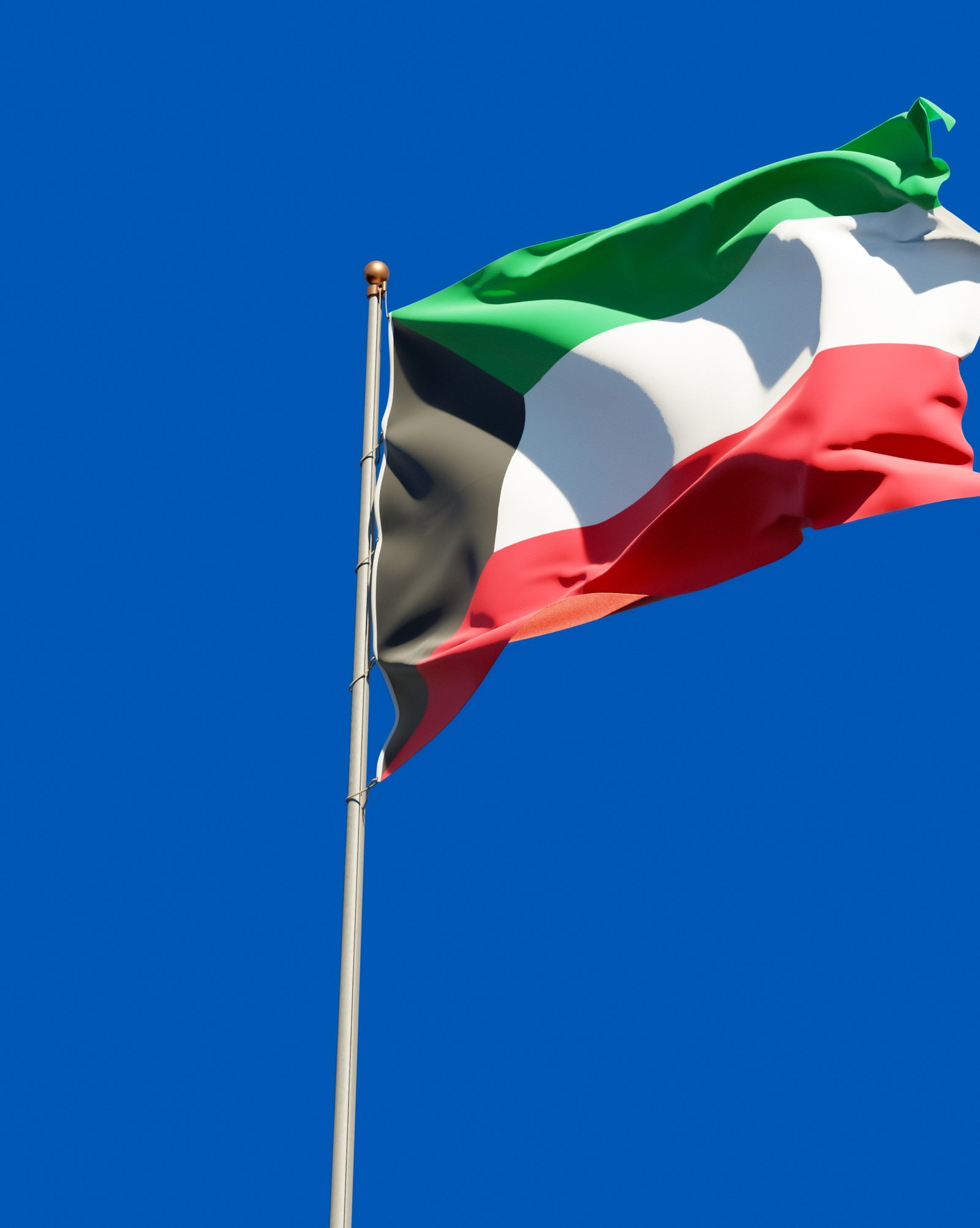
The Schengen Zone, a group of 26 European countries that have abolished passport control at their mutual borders, is known for its commitment to fostering cross-border cooperation and promoting cultural exchange. While the Schengen Zone primarily encompasses European countries, its influence extends beyond the continent, reaching communities in far-flung places such as Kuwait. In Kuwait, the Urdu community is a vibrant and diverse group that has made significant contributions to the country's cultural tapestry. Recognizing the importance of supporting and empowering this community, the Kuwaiti government has implemented various government-funded programs aimed at promoting the well-being and integration of Urdu-speaking residents. One such program is the Urdu Language and Cultural Enrichment Initiative, which provides language classes, cultural workshops, and educational resources to help members of the Urdu community preserve their heritage and connect with their roots. Through this initiative, participants have the opportunity to learn about Urdu literature, music, art, and traditions, fostering a sense of pride and belonging within the community. Additionally, the government has established job training programs and entrepreneurship opportunities specifically tailored to the needs of the Urdu community. By providing access to skills development and financial resources, these programs empower community members to pursue economic self-sufficiency and achieve their professional goals. Furthermore, the government collaborates with local organizations and community leaders to address issues of social integration, mental health, and legal advocacy within the Urdu community. By offering support services and creating safe spaces for dialogue and engagement, these initiatives aim to build solidarity and mutual understanding among community members. Overall, the government-funded programs for the Urdu community in Kuwait exemplify the Schengen Zone's core values of inclusivity, diversity, and cooperation. By investing in the well-being and success of the Urdu community, Kuwait demonstrates its commitment to upholding human rights and promoting cultural diversity in the region. As we reflect on the importance of supporting marginalized communities and promoting cross-cultural understanding, we can draw inspiration from the efforts of the Kuwaiti government and the Urdu community to create a more inclusive and equitable society for all. Through collaborative initiatives and sustained investment in education, employment, and social services, we can build a brighter future for individuals and communities around the world.


