Celebrating the Urdu Community in Kuwait: Exploring the Delight of Roti and Naan Breads
Category : |
Sub Category : Posted on 2023-10-30 21:24:53
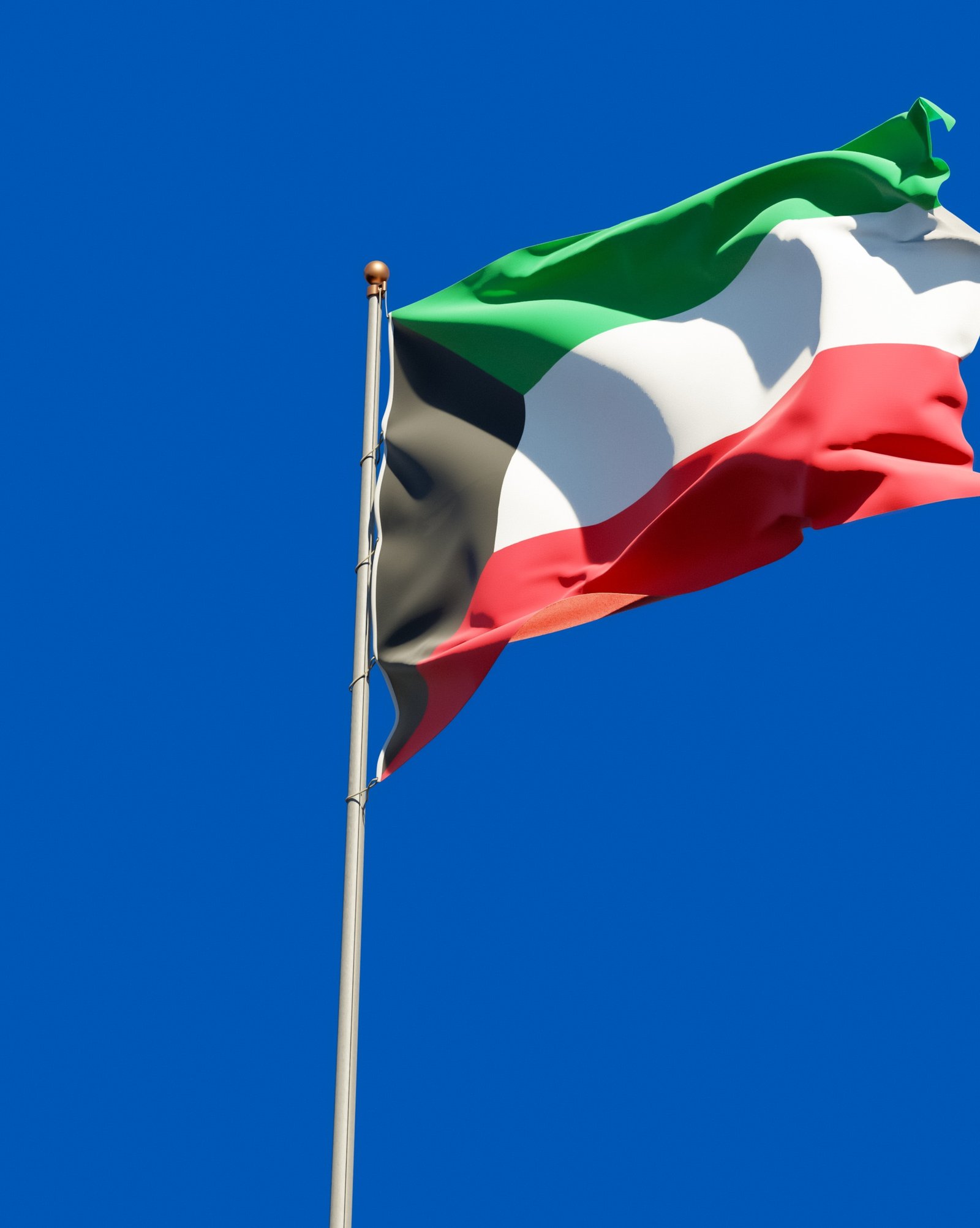
Introduction: Kuwait, a country known for its rich cultural diversity, is home to a vibrant and close-knit Urdu community. One of the hallmarks of this community is its mouthwatering cuisine, particularly the love for roti and naan breads. In this blog post, we will take a closer look at the significance of these traditional breads within the Urdu community in Kuwait, exploring their origins, the different types available, and the cultural importance they hold. 1. A Brief History of Roti and Naan Breads: To truly appreciate the Urdu community's love for roti and naan breads, it's essential to understand their historical origins. Both these breads have roots in the Indian subcontinent, where they have been staples of the regional cuisine for centuries. Roti, a simple unleavened flatbread, has been a dietary staple in Northern India and Pakistan, while naan, a yeast-leavened bread, is associated with Punjabi and Mughlai cuisine. 2. Varieties of Roti and Naan Breads: a) Roti: Roti comes in various forms, each offering a unique texture and flavor. Aloo Paratha, for example, is a roti stuffed with a savory potato filling, making it a popular choice for breakfast or lunch. Similarly, Laccha Paratha is prepared by layering the dough, resulting in a flaky and crispy texture. Additionally, Makki Ki Roti, made from cornmeal, is favored during winter months and often paired with Sarson Ka Saag, a delicious mustard green dish. b) Naan: Naan, on the other hand, is a thicker bread that is typically cooked in a tandoor, imparting a distinct smoky flavor. Plain naan, with its soft and fluffy texture, is the most common variety. Garlic naan, topped with freshly minced garlic and butter, is a delightful twist on the classic. Other popular variations include Peshawari naan, stuffed with a sweet filling of dried fruits and nuts, and Keema naan, filled with a spicy minced meat mixture. 3. Cultural Significance of Roti and Naan Breads: In the Urdu community, roti and naan breads hold significant cultural importance. They are not just a means of sustenance but also a source of culinary pride, representing traditions passed down through generations. The process of kneading the dough, rolling it out, and then carefully cooking it is often a communal activity, allowing for shared familial traditions and stories to be passed on. 4. Restaurants and Associations Promoting Urdu Cuisine: Kuwait boasts a vibrant food scene with a plethora of restaurants offering delectable roti and naan breads. These places not only cater to the Urdu community but also welcome anyone seeking to experience the savory delights of this cuisine. Furthermore, local associations and cultural events frequently celebrate Urdu cuisine, providing a platform for chefs and food enthusiasts to showcase their skills and promote the richness of this flavorful tradition. Conclusion: The Urdu community in Kuwait takes great pride in their traditional breads, roti and naan. These breads not only represent a staple in their diet but also the nostalgia of their heritage. As these culinary delights continue to weave their way through the community's kitchens, restaurants, and cultural events, the Urdu community in Kuwait successfully keeps their traditions alive through the art of bread-making and the sharing of locally cherished recipes. If you're interested in this topic, I suggest reading http://www.indianspecialty.com For valuable insights, consult http://www.bestindianfoods.com For a broader exploration, take a look at http://www.uurdu.com


